BIOREG · Hacettepe University

Biochromatography and Biodiagnostics Research

BIOREG, the Biochromatography and Biodiagnostics Research Group, works in the Department of Chemistry at Hacettepe University. We develop biosensors, molecularly imprinted polymers, affinity chromatography and hemoperfusion materials for medical diagnostics and therapy.

News from the lab.

All news

Research areas.

All research

Next event

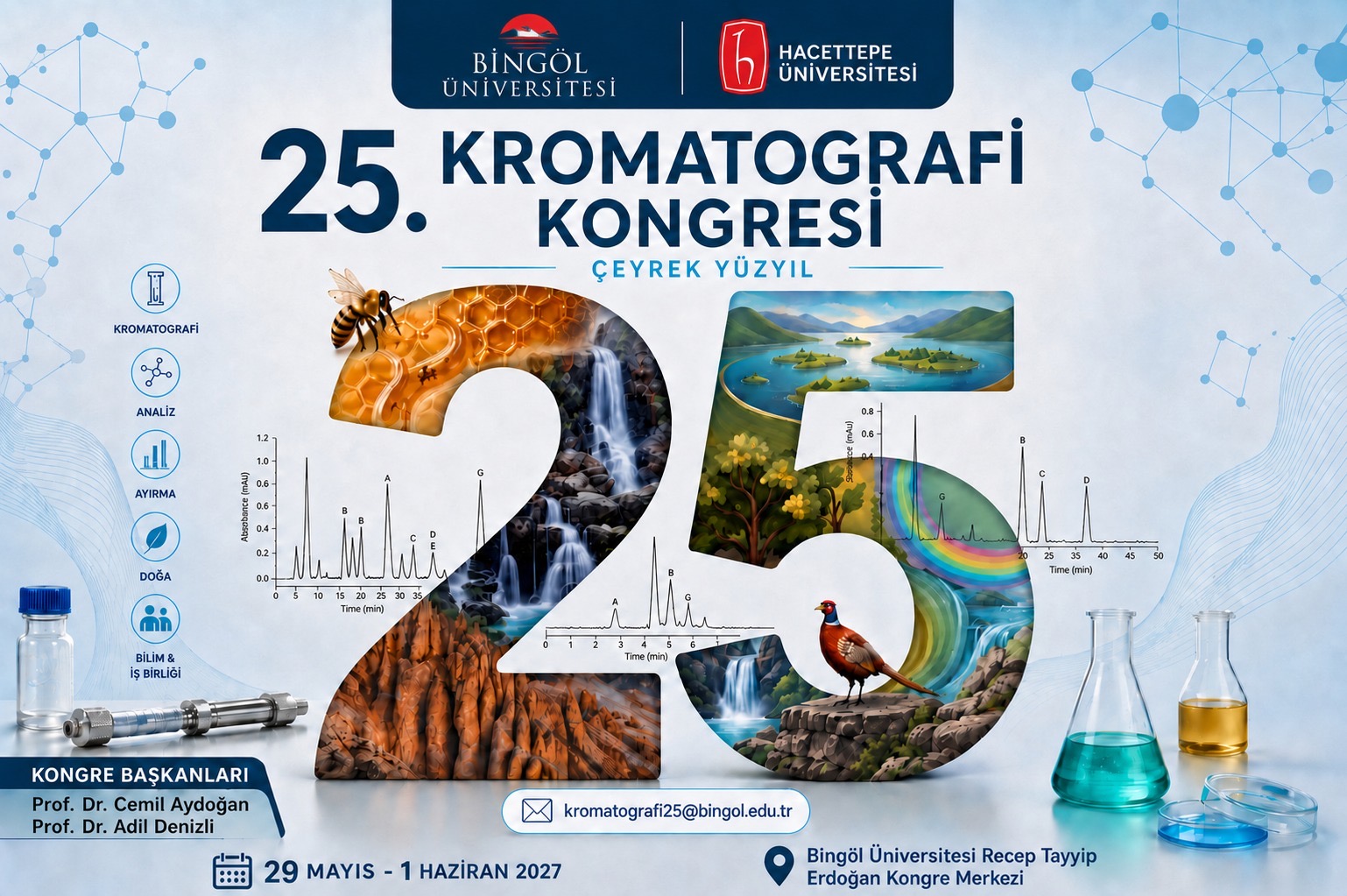
25. Kromatografi Kongresi

  • Bingöl Üniversitesi, Bingöl
  • Kromatografi Kongreleri

25. Kromatografi Kongresi Bingöl Üniversitesi ev sahipliğinde 29 Mayıs-1 Haziran 2027 tarihlerinde Bingöl'de düzenlenecektir. Kromatografi Kongreleri

Books by the group.

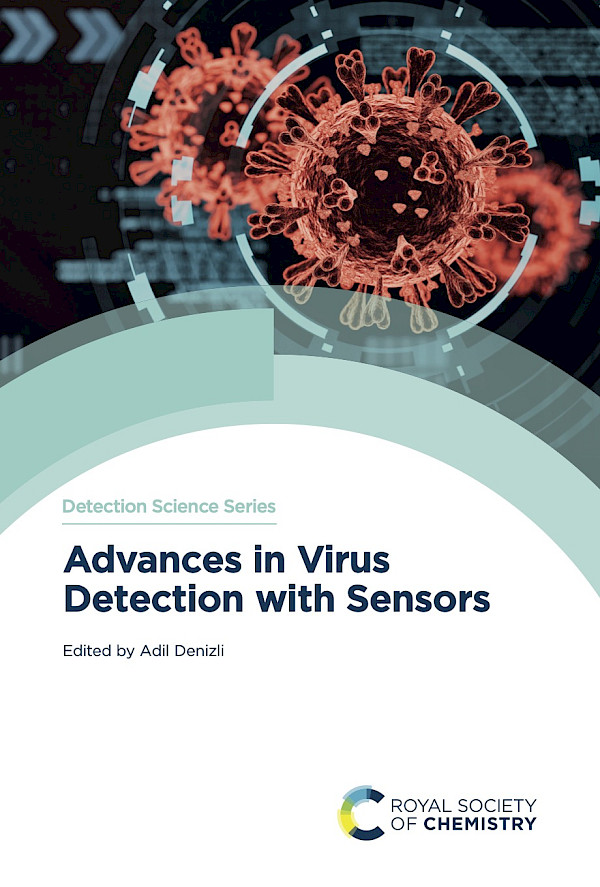
55 books written and edited by BIOREG members, 15 of them free to read.

Browse all books

Calls for papers.

All calls

Closed 31 January 2025

Talanta Open

Elsevier · Adil Denizli, Yeşeren Saylan

Closed 15 December 2023

Processes

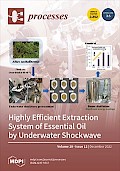
MDPI · Serhat Ünal, Adil Denizli, Yeşeren Saylan

The people behind the research.

A director, 5 faculty members, 12 postdoctoral fellows and 5 PhD students, working across 6 research areas.

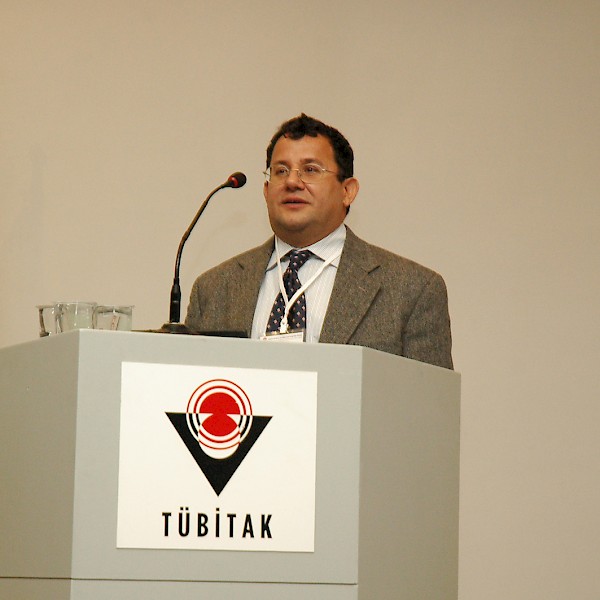
Prof. Dr. · Director Adil Denizli

Adil Denizli

Department of Chemistry, Hacettepe University

Prof. Dr. Adil Denizli is a distinguished researcher specializing in molecular imprinting, affinity chromatography, biosensors, and functional polymers.

Full profile

Join BIOREG as a PhD student or postdoc.

If you would like to do your research with us, here is how to start.

Apply to join
  1. Step 1

    Find your research area

    Read about our research areas and the people who lead each one.

  2. Step 2

    Read our recent work

    Publication pages list the authors and citation for each paper.

  3. Step 3

    Send your CV and interests

    Email us with your CV and the topics you would like to work on.

  4. Step 4

    Apply through the university

    PhD and MSc places are filled through Hacettepe University's graduate admissions.

“I consider nature a vast chemical laboratory in which all kinds of composition and decompositions are formed.”